


63 Hebron Ave
Glastonbury, CT 06033


Blog list
Kibo Eyecare Blog
Learn more about optometrist care in our blog!

Fall is a natural time to refresh your wardrobe, and eyeglasses can be one of the easiest ways to update your everyday look. As Glastonbury moves into cooler weather, richer colors, layered clothing, and warmer textures make certain frame colors and materials especially appealing.

Autumn in Glastonbury brings cooler temperatures, changing leaves, and plenty of seasonal allergens. For some people, it also brings weeks of itchy, watery, irritated eyes. While fall allergies are often responsible, dry eye can cause surprisingly similar symptoms.

Myopia, or nearsightedness, often progresses throughout childhood and the school years. While standard glasses can correct blurry distance vision, myopia management is designed to do more by helping slow the progression of a child's prescription. At Kibo Eyecare, we offer several myopia management options for Glastonbury students, including Ortho-K and daytime myopia control lenses.

Back-to-School Myopia Control in Glastonbury: How MiSight® and Stellest® Lenses Slow Nearsightedness
The beginning of a new school year is an ideal time to check whether your child’s distance vision has changed. If they are squinting at the classroom board, moving closer to screens, or needing stronger glasses each year, progressive myopia may be the reason.

Your eyes can reveal more than changes in vision. During a comprehensive eye exam in Glastonbury, our team can evaluate the retina - the light-sensitive tissue at the back of the eye - for signs that may point to changes in your overall health, including hypertension.

Glasses are supposed to make your vision clearer, more comfortable, and easier to rely on throughout the day. If you are dealing with frequent headaches, blurry vision, eye strain, or trouble focusing, your prescription may no longer be giving your eyes the support they need.
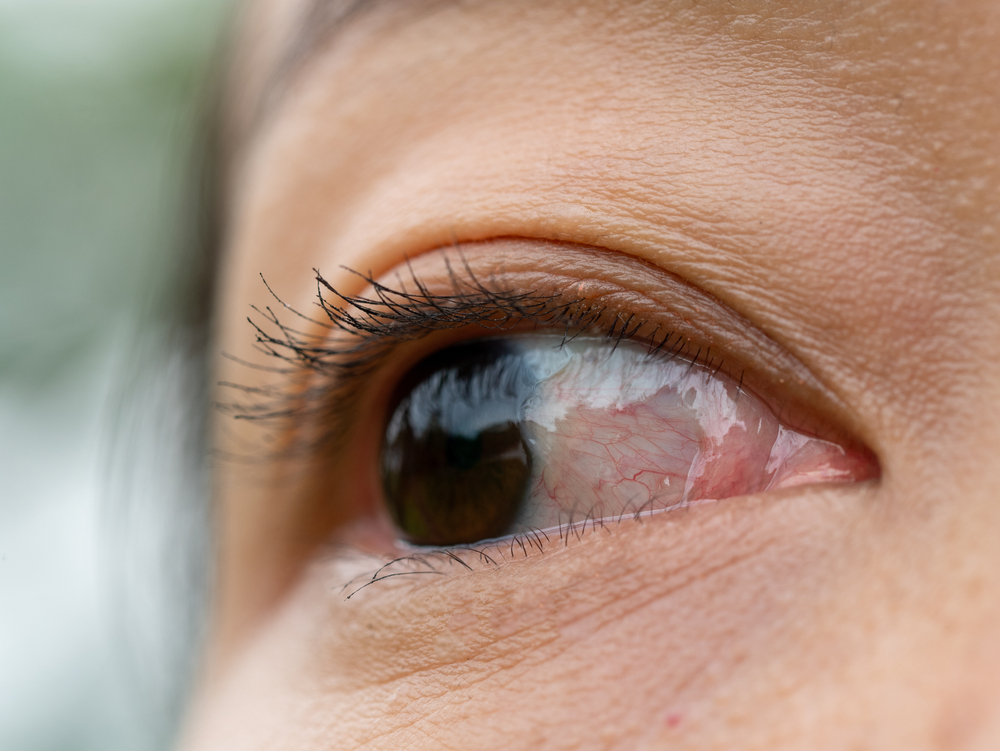
Not every eye problem is an emergency, but some symptoms should never be ignored. Sudden vision changes, severe pain, eye injuries, and chemical exposure can all require immediate evaluation to help protect your sight. Warning signs like new flashes, a shower of floaters, reduced vision, or a dark curtain across your field of view can point to serious retinal problems that need urgent care.

If you are thinking about LASIK, it helps to know that the process involves more than surgery day. LASIK co-management means we handle the eye health evaluations before your procedure and the follow-up care after it, while your surgeon performs the surgery itself. At Kibo Eyecare, we focus on helping patients in Glastonbury understand each step so the experience feels organized, informed, and personal.

Imagine waking up in the morning and seeing clearly without reaching for glasses or inserting contact lenses. For many patients, that freedom is possible with Orthokeratology, commonly known as Ortho-K. At Kibo Eyecare, we often recommend Ortho-K lenses to patients who want clear daytime vision without surgery or daytime corrective lenses.
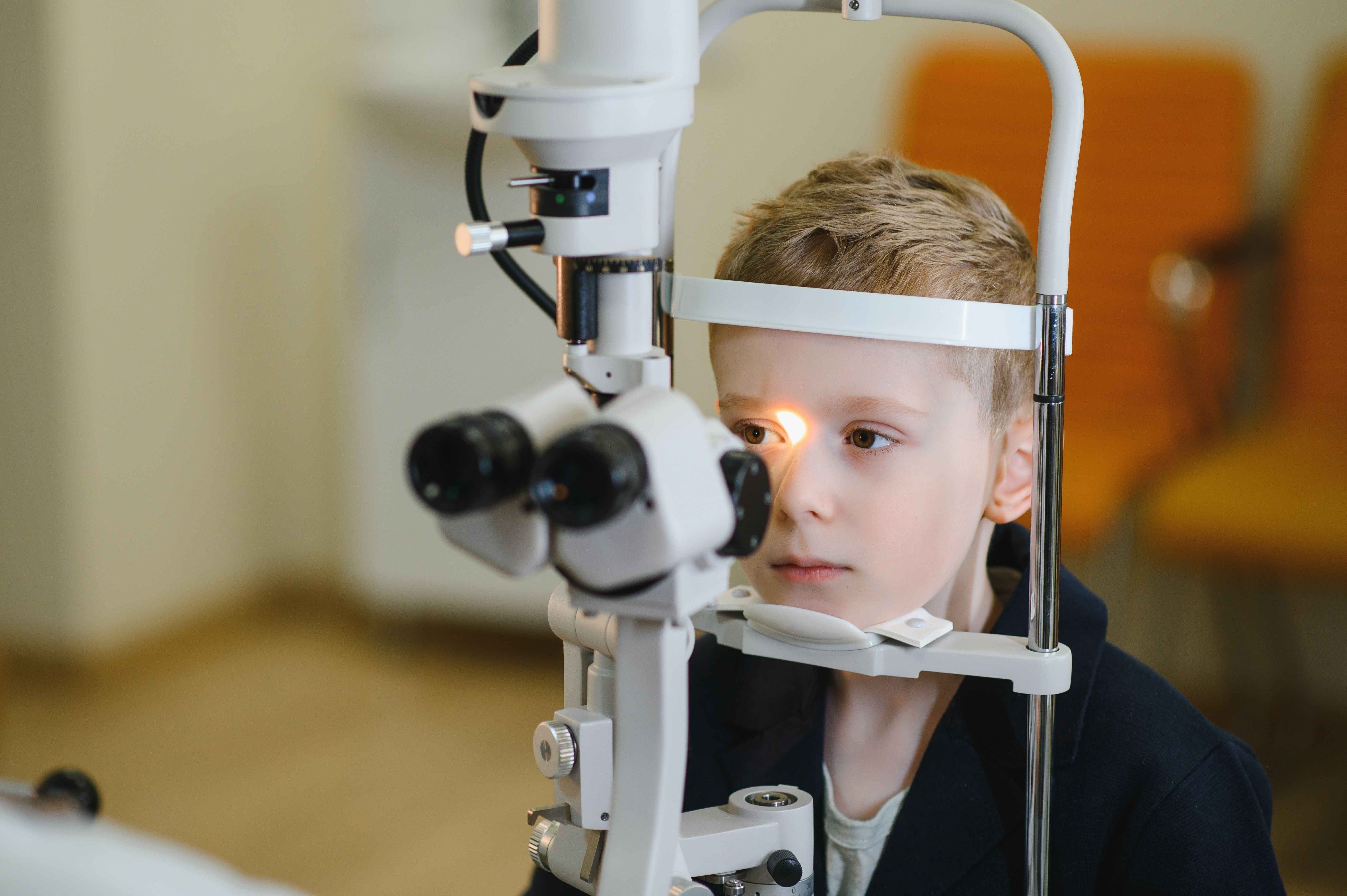
A child’s vision plays a critical role in how they learn, grow, and interact with the world. From reading and writing to sports and social development, healthy eyesight supports nearly every aspect of childhood. Yet many vision disorders can go unnoticed because children often don’t realize their vision is different from normal. Understanding when to check a child’s eyes and why early detection matters can make a lifelong difference.
Powered by
