


63 Hebron Ave
Glastonbury, CT 06033


When Is the Best Time to Detect a Child’s Vision Disorder?
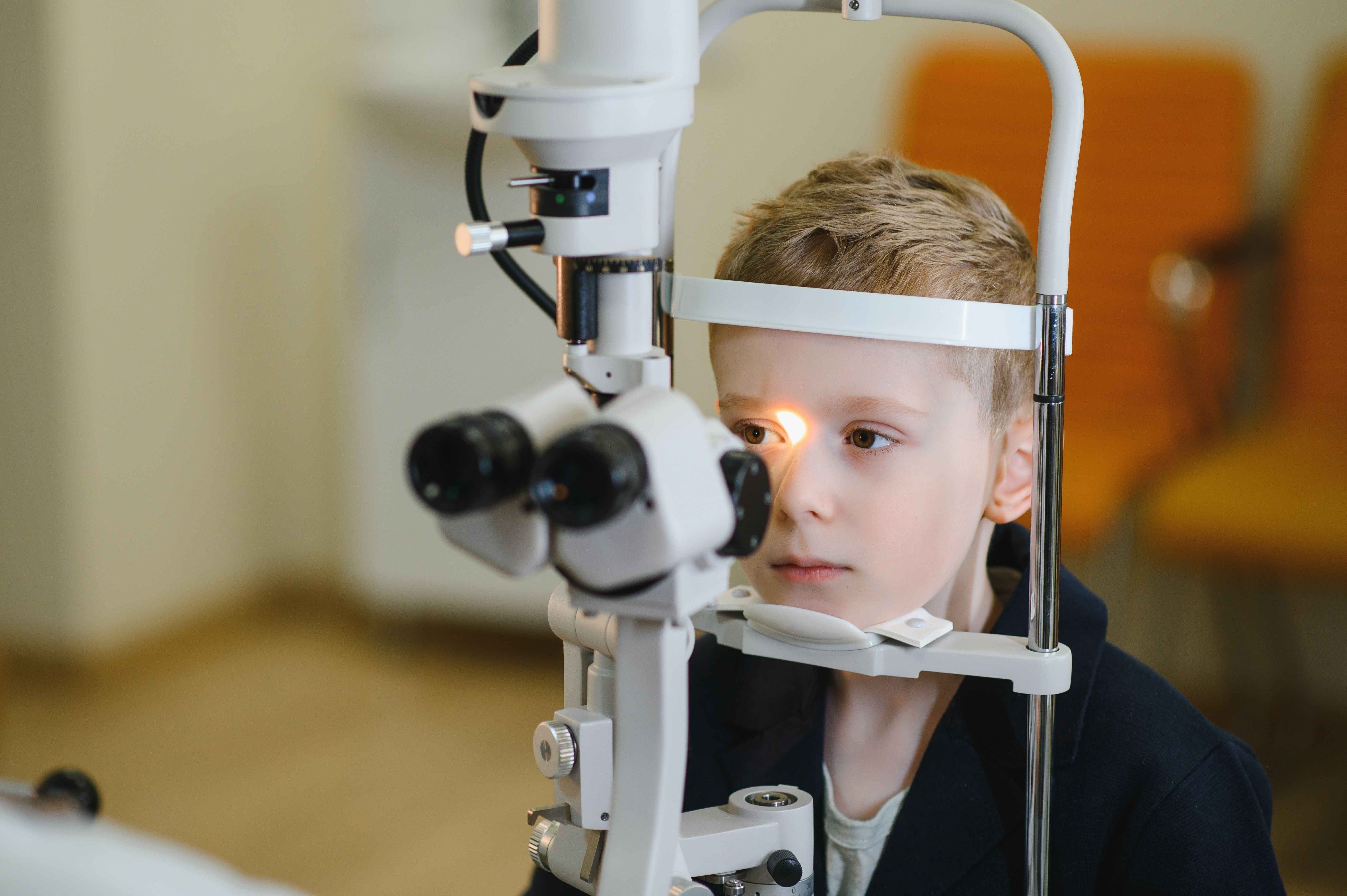
A child’s vision plays a critical role in how they learn, grow, and interact with the world. From reading and writing to sports and social development, healthy eyesight supports nearly every aspect of childhood. Yet many vision disorders can go unnoticed because children often don’t realize their vision is different from normal. Understanding when to check a child’s eyes and why early detection matters can make a lifelong difference.
Why Early Detection Is So Important
Vision problems in children don’t always cause obvious symptoms. Kids may adapt by sitting closer to the TV, avoiding reading, or struggling quietly in school. If left undetected, certain eye conditions can interfere with visual development and, in some cases, lead to permanent vision loss.
The earlier a vision disorder is identified, the more effective treatment tends to be. Early detection allows eye care professionals to guide proper visual development, support academic success, and reduce frustration or behavioral issues that may stem from poor vision.
Infancy (Birth to 12 Months)
Vision development begins at birth. During infancy, eye alignment, eye movement, and the ability to track objects are key indicators of healthy vision. Pediatricians typically check these during routine well-child visits. If there is a family history of eye disease or noticeable concerns, an eye exam with an optometrist may be recommended.
Toddler and Preschool Years (Ages 1-5)
This is one of the most critical periods for detecting vision disorders. Conditions like lazy eye (amblyopia), crossed eyes (strabismus), and significant refractive errors often develop during these years. Because the visual system is still forming, treatment is most effective when started early - often before age 5.
School-Age Children (Ages 6-12)
Once children enter school, visual demands increase significantly. Reading, writing, and screen use all rely heavily on clear, comfortable vision. Even if a child passed earlier screenings, regular comprehensive eye exams are essential to catch issues like nearsightedness, farsightedness, focusing problems, or eye coordination difficulties that can affect learning and attention.
Teen Years (Ages 13–18)
Vision can continue to change during adolescence, especially nearsightedness. Sports participation, increased screen time, and academic pressure make regular eye exams important throughout the teen years to ensure optimal visual performance and eye health.
Signs Your Child May Have a Vision Problem
Even between scheduled exams, parents should watch for warning signs, including:
• Squinting or tilting the head
• Frequent eye rubbing
• Complaints of headaches or eye strain
• Difficulty reading or short attention span
• Covering one eye
• Avoiding close-up work or reading
If any of these behaviors appear, it’s best not to wait for the next routine checkup.
The Role of Comprehensive Eye Exams
While school or pediatric vision screenings are helpful, they are not a substitute for a full eye exam. Comprehensive pediatric eye exams evaluate not only visual clarity but also eye health, focusing ability, eye teaming, and overall visual development. These detailed evaluations are key to detecting subtle issues that screenings may miss.
Schedule Your Child’s Eye Exam at Kibo Eyecare Today
The best time to detect a child’s vision disorder is as early as possible and regularly thereafter. Vision can change quickly during childhood, and many conditions are easiest to treat when caught early. Proactive eye care helps ensure your child has the clear, comfortable vision they need to learn confidently and thrive.
If your child is due for an eye exam or you have concerns about their eyesight, schedule a pediatric eye exam with Kibo Eyecare today. Visit our office in Glastonbury, Connecticut or call (860) 659-5900 to book an appointment.
Powered by
